
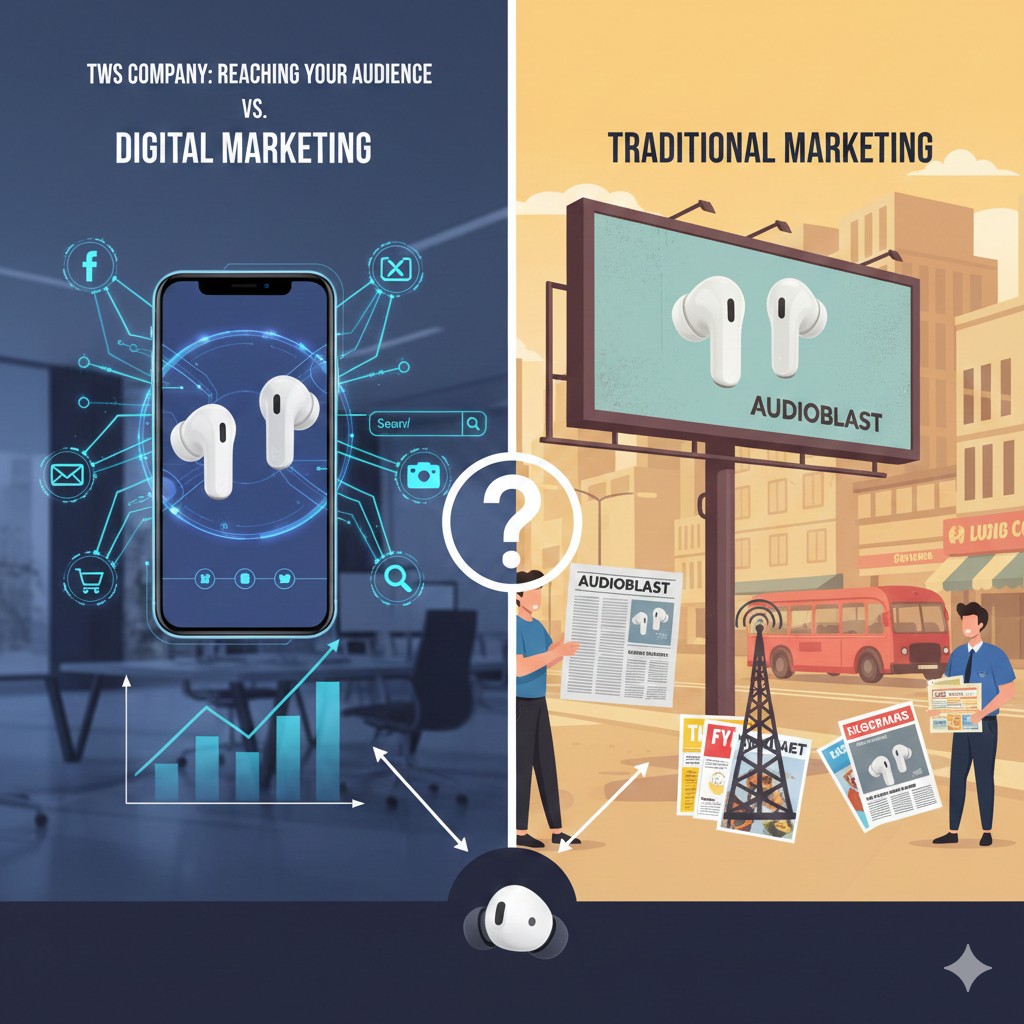
Let us understand the difference between Digital Marketing Vs Traditional Marketing
In today’s fast-paced and technology-driven world, businesses are constantly looking for smarter and more effective ways to reach their target audience. Marketing plays a crucial role in business growth, brand visibility, and customer engagement. Over the years, marketing has evolved from conventional methods like print ads and billboards to advanced online strategies powered by data and technology.
This brings us to an important question: Digital Marketing vs Traditional Marketing – which one is better for your business?
At Trident Webtech Solutions (TWS), we help businesses understand, adopt, and scale the right marketing strategies for sustainable growth. In this Digital Marketing Vs Traditional Marketing blog, we’ll break down the differences, advantages, limitations, and use cases of both Digital Marketing Vs Traditional Marketing to help you make an informed decision.
What Is Traditional Marketing?
Traditional marketing refers to conventional methods of promotion that have been used for decades. These methods are mostly offline and focus on reaching a broad audience.
Common Traditional Marketing Channels:
-
Newspaper and magazine advertisements
-
Television and radio commercials
-
Billboards and hoardings
-
Pamphlets, brochures, and flyers
-
Direct mail and telemarketing
Traditional marketing has been the backbone of advertising for a long time and is still relevant in certain industries and demographics.
Advantages of Traditional Marketing:
-
Strong local reach
-
Easy to understand and familiar
-
Effective for brand awareness in offline markets
-
High visibility (TV, hoardings, newspapers)
Limitations of Traditional Marketing:
-
Expensive advertising costs
-
Difficult to track performance and ROI
-
One-way communication
-
Limited audience targeting
-
Less flexibility in making changes
What Is Digital Marketing?
Digital marketing uses online platforms and digital technologies to promote products and services. It allows businesses to connect with their audience in real time and measure performance accurately.
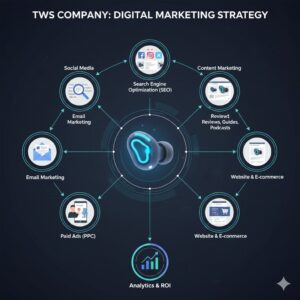
Common Digital Marketing Channels:
-
Search Engine Optimization (SEO)
-
Social Media Marketing (SMM)
-
Pay-Per-Click Advertising (PPC)
-
Content Marketing
-
Email Marketing
-
Influencer Marketing
-
AI-powered marketing automation
At TWS, we specialize in creating result-driven digital marketing strategies tailored to business goals.
Advantages of Digital Marketing:
-
Cost-effective compared to traditional marketing
-
Highly targeted audience reach
-
Measurable results and analytics
-
Two-way communication with customers
-
Global reach
-
Easy optimization and scalability
Limitations of Digital Marketing:
-
Requires technical knowledge
-
High competition in online space
-
Dependent on internet access
-
Continuous learning and updates needed
Digital Marketing vs Traditional Marketing: Key Differences
1. Cost Comparison
Traditional marketing often requires a high budget for printing, broadcasting, or outdoor advertising. Digital marketing, on the other hand, allows businesses to start with a small budget and scale gradually.
Winner: Digital Marketing
2. Target Audience Reach
Traditional marketing targets a mass audience with limited personalization. Digital marketing allows precise targeting based on age, location, interests, behavior, and more.
Winner: Digital Marketing
3. Measurability and Analytics
It’s difficult to measure the exact impact of a newspaper ad or billboard. Digital marketing provides real-time data such as clicks, impressions, conversions, and ROI.
Winner: Digital Marketing
4. Customer Engagement
Traditional marketing is mostly one-way communication. Digital marketing enables two-way interaction through comments, messages, reviews, and feedback.
Winner: Digital Marketing
5. Brand Trust and Visibility
Traditional marketing builds credibility through established media platforms. Digital marketing builds trust through consistent online presence, reviews, and valuable content.
Winner: Both (when used strategically)
6. Speed and Flexibility
Digital campaigns can be launched, paused, or optimized instantly. Traditional marketing requires more time and effort to make changes.
Winner: Digital Marketing
Which Marketing Strategy Is Best for Your Business?
The choice between digital marketing and traditional marketing depends on several factors:
-
Nature of your business
-
Target audience
-
Budget
-
Marketing goals
-
Geographic reach
When Traditional Marketing Works Best:
-
Local businesses targeting offline audiences
-
Older demographics
-
Brand awareness campaigns
-
Rural or non-digital markets
When Digital Marketing Works Best:
-
Startups and small businesses
-
E-commerce brands
-
Service-based companies
-
Businesses looking for measurable growth
-
Brands targeting younger or tech-savvy audiences
In most cases, a combination of digital and traditional marketing delivers the best results.
Why Digital Marketing Is the Future
With increasing internet usage, smartphone penetration, and AI-driven tools, digital marketing is no longer optional—it’s essential. Businesses that invest in SEO, content marketing, social media, and automation gain a competitive edge.
At Trident Webtech Solutions (TWS), we help brands:
-
Increase online visibility
-
Generate high-quality leads
-
Improve conversions
-
Build strong digital presence
-
Automate marketing processes using AI
Our data-driven and customer-centric approach ensures long-term business growth.
How TWS Helps You Choose the Right Marketing Strategy
We don’t believe in one-size-fits-all solutions. Our experts analyze your business, market trends, and competition to design a customized marketing plan.
Our Key Services Include:
-
SEO & Website Optimization
-
Social Media Marketing & Management
-
Content Marketing
-
PPC & Performance Marketing
-
Business Growth Consultancy
-
AI Automation Solutions
Whether you want to strengthen your digital presence or integrate traditional marketing with online strategies, TWS is your trusted growth partner.
Conclusion : Digital Marketing Vs Traditional Marketing
Both digital marketing and traditional marketing have their own strengths. While traditional marketing builds credibility and offline visibility, digital marketing offers precision, affordability, and measurable growth.
In today’s competitive landscape, businesses that adapt to digital transformation are more likely to succeed. The key is choosing the right mix of strategies aligned with your business goals.
Digital Marketing Vs Traditional Marketing FAQs
1. What is the main difference between digital marketing and traditional marketing?
The main difference is the medium used to reach customers. Traditional marketing uses offline channels like newspapers, TV, radio, and billboards, while digital marketing uses online platforms such as search engines, social media, websites, and email to promote products and services.
2. Which is more effective: digital marketing or traditional marketing?
Digital marketing is generally more effective because it allows better audience targeting, real-time performance tracking, lower costs, and higher engagement. However, traditional marketing can still be effective for local branding and offline audiences. The best approach often combines both strategies.
3. Is digital marketing cheaper than traditional marketing?
Yes, digital marketing is usually more cost-effective. Businesses can start digital campaigns with a smaller budget and scale as needed, whereas traditional marketing often requires high upfront costs for printing, broadcasting, or outdoor advertising.
4. Can small businesses benefit from digital marketing?
Absolutely. Digital marketing is ideal for small and medium-sized businesses because it offers affordable advertising, targeted reach, measurable results, and faster lead generation compared to traditional marketing methods.
5. How does SEO fit into digital marketing?
Search Engine Optimization (SEO) is a core part of digital marketing. It helps businesses improve their website’s visibility on search engines like Google, attract organic traffic, build credibility, and generate long-term leads without paying for every click.
6. Does traditional marketing still work in today’s digital age?
Yes, traditional marketing still works, especially for local businesses, rural markets, and older demographics. Methods like newspapers, radio, and outdoor ads can enhance brand awareness when combined with digital marketing efforts.
7. Which marketing strategy provides better ROI?
Digital marketing generally provides a higher return on investment (ROI) because results can be tracked, analyzed, and optimized in real time. Tools like Google Analytics, social media insights, and CRM systems help measure exact campaign performance.
8. How does digital marketing help in customer engagement?
Digital marketing enables two-way communication through social media comments, emails, chatbots, reviews, and instant messaging. This helps businesses build relationships, trust, and long-term customer loyalty.
9. Can digital and traditional marketing be used together?
Yes, using both together creates a strong integrated marketing strategy. Traditional marketing builds offline visibility and trust, while digital marketing captures online leads, engagement, and conversions.
10. Which marketing approach is best for startups?
Digital marketing is best for startups because it is affordable, scalable, and measurable. Startups can quickly test campaigns, target specific audiences, and optimize strategies without large investments.
11. How long does it take to see results from digital marketing?
Results vary by strategy. PPC and social media ads can deliver immediate results, while SEO and content marketing typically take 3–6 months for long-term, sustainable growth.
12. Why choose Trident Webtech Solutions (TWS) for digital marketing?
Trident Webtech Solutions (TWS) offers customized digital marketing strategies, SEO expertise, business consultancy, content marketing, and AI automation solutions to help businesses achieve measurable growth and long-term success.
Connect on Youtube
